
Measure the concrete, not just the aggregate
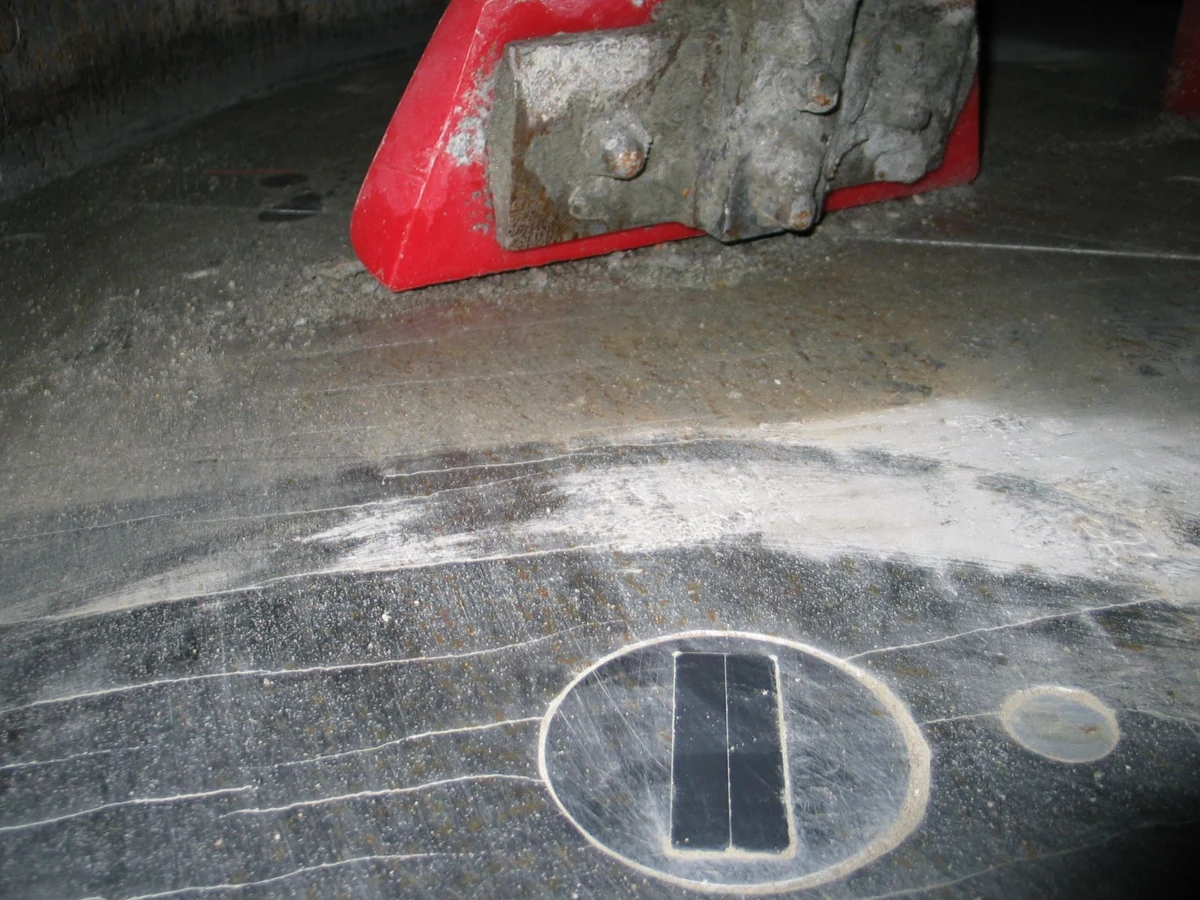
Probes in the mixer base plate or scraper. Built for intensive, planetary and twin-shaft mixers.
Measuring the concrete, not the ingredients
Everything upstream of the mixer measures inputs. The mixer is where you can measure the result.
That distinction matters because aggregate moisture correction is a prediction. You read the sand, calculate the free water it carries, adjust the added water, and expect a particular consistency at the end. A probe in the mixer tells you whether the prediction came true — on this batch, during the cycle, while there is still time to adjust.
It also catches everything the upstream sensors cannot see: an aggregate stream nobody instrumented, a water valve not closing cleanly, admixture dosing drift, cement moisture. Those all show up in the mixer and nowhere else.
What a mixer probe survives
A mixer is a hostile place for an instrument. Material is under load, moving constantly, and abrasive by definition. Anything mounted in the base plate or the scraper is in continuous contact with the mix.
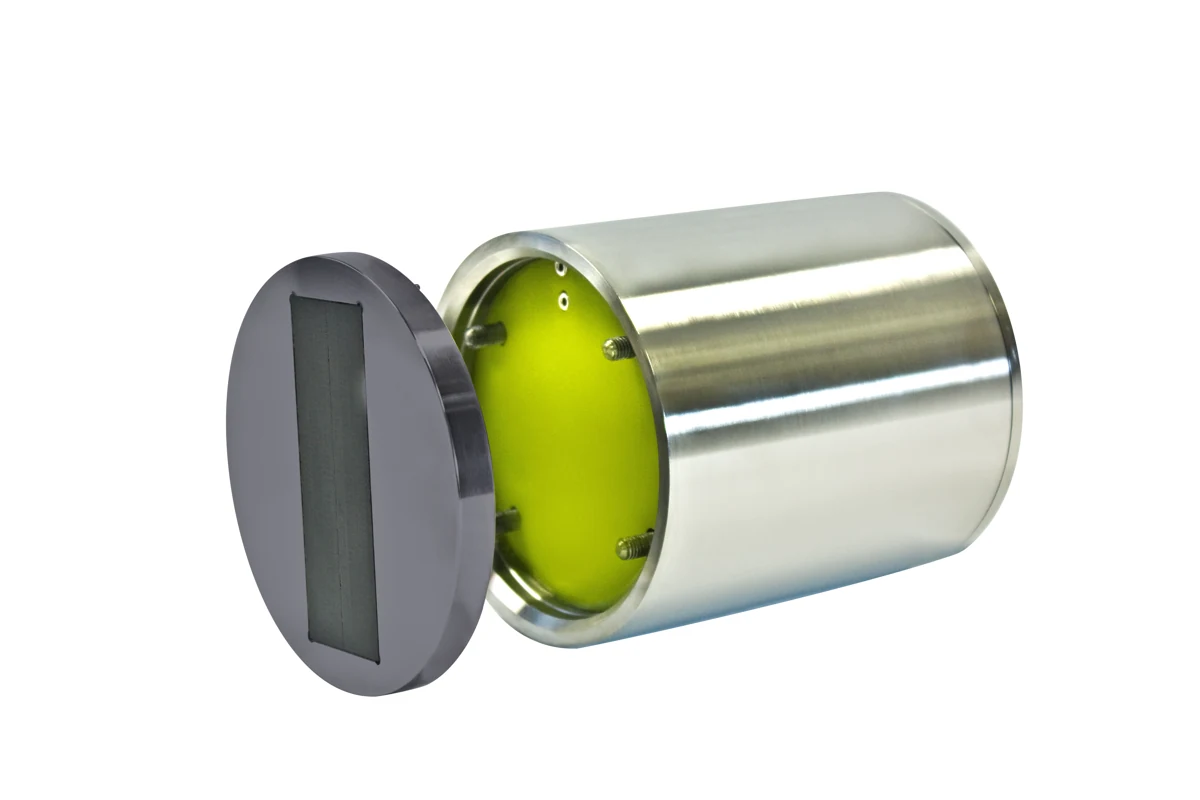
The design answer is a probe head made of steel with a solid carbide insert and a rectangular special ceramic window, and — importantly — a replaceable head. When the wear part is a consumable, service is a head change rather than a probe replacement, which changes the economics of instrumenting a mixer at all.
The measurement itself is specified as reliable across all standard concretes regardless of their consistency, which is what you need when the same mixer runs a stiff precast mix in the morning and a flowing ready-mix load in the afternoon.
- Suitable for all mixer types — planetary, intensive and twin-shaft
- Reliable for all standard concretes, regardless of their consistency
- Probe head in steel with a solid carbide insert and rectangular special ceramic window
- Replaceable probe head keeps service cost down over the life of the mixer
- No change in measuring accuracy due to wear on the probe surface
- Wear and tear does not require recalibration
Two mounting positions
In the mixer base plate
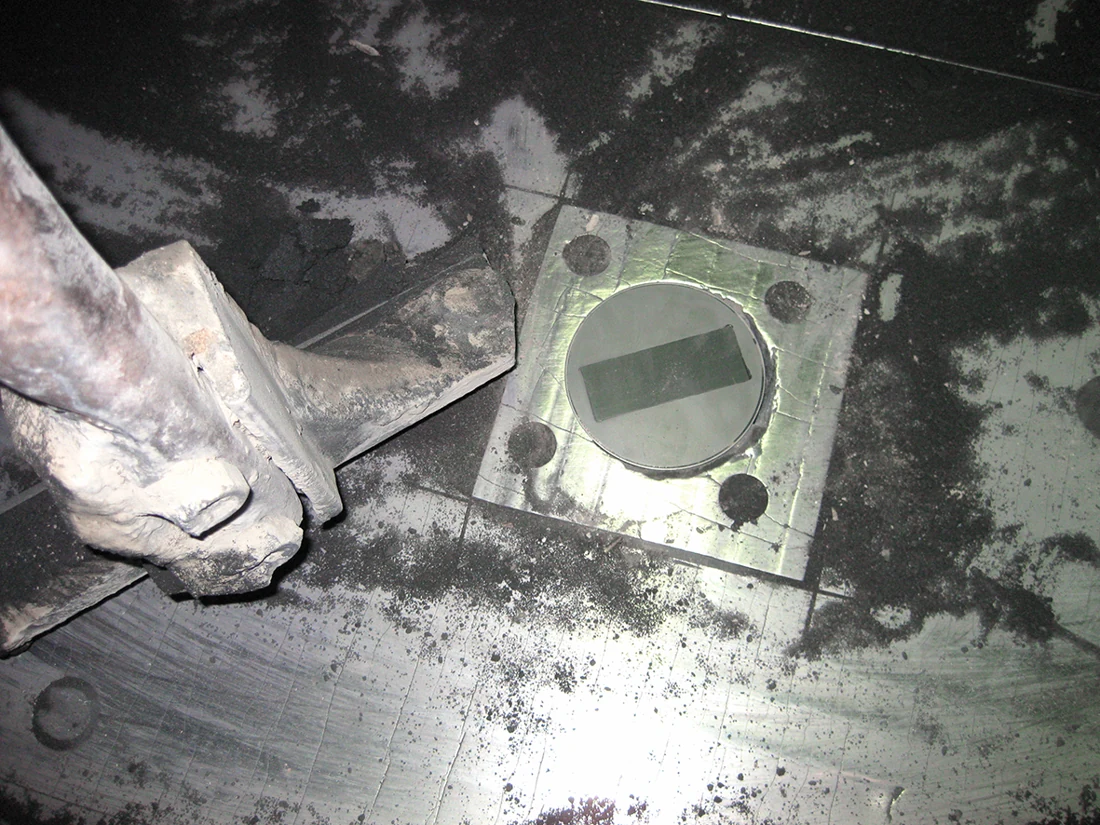
The standard position. The probe sits flush in the floor of the mixer and reads the mix as it moves across the face. SONO MIX is the heavy-duty option here, built for the load and abrasion of an intensive or twin-shaft mixer.
In the scraper
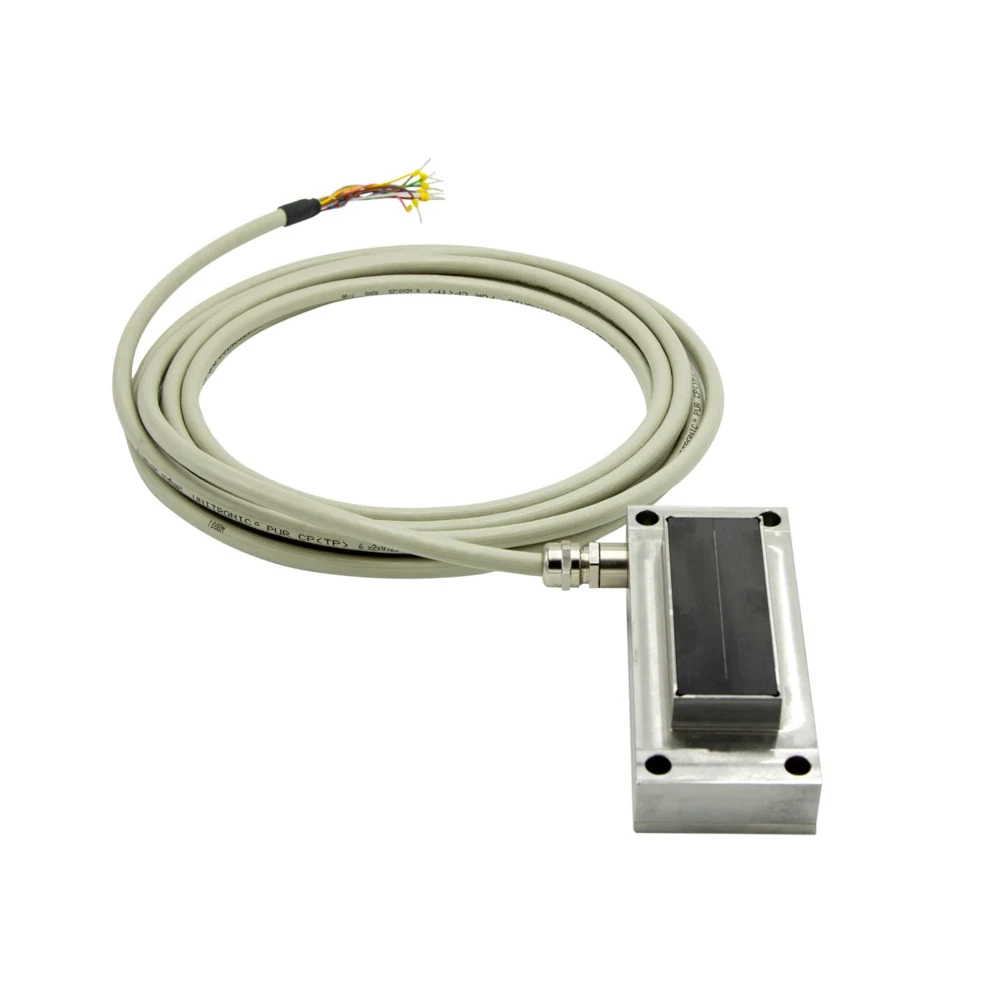
Where base-plate access is not available or space is tight, SONO MIX Mini HC installs in the scraper of an intensive mixer. Its compact body is also what makes it the practical choice for laboratory mixers.
Laboratory and trial mixers
The same compact probe fits a lab mixer, which means trial batches can be measured on the same technology as production. Mix development and plant control stop being two different measurement systems.
Reading it on the floor
SONO VIEW provides stand-alone display and parameterization for up to 16 probes, so mixer readings can be viewed and calibrations adjusted without a laptop at the machine.
Mixing instruments
This is a different measurement
A mixer probe measures the concrete, not the aggregate. That makes it a quality-control instrument rather than a batch-correction one — it confirms the result and can drive water addition during the cycle, but it cannot tell you the dry weight of aggregate to load, because by then the aggregate is already in. Most plants that instrument the mixer also instrument the dosing stage, because the two answer different questions.
Mixing — frequently asked
Which mixer types can take an inline moisture probe?
Intensive, planetary and twin-shaft mixers. SONO MIX is specified as suitable for all mixer types, with installation in the base plate; SONO MIX Mini HC installs in the scraper of an intensive mixer where space is limited.
How long does a mixer probe last?
The wear component is the probe head, and it is replaceable — which is the point of the design. Measuring accuracy does not change as the head wears, and wear does not require recalibration, so the head is changed on condition rather than on a drift schedule.
Does mix consistency affect the reading?
The measurement is specified as reliable for all standard concretes regardless of their consistency, which covers the range between a stiff precast mix and a flowing ready-mix load.
Do I still need aggregate moisture measurement if I measure in the mixer?
Usually yes. A mixer reading tells you what the concrete is doing after batching. An aggregate reading tells you how much water to add in the first place. The mixer confirms; the dosing sensor corrects.
Moisture changes at every stage
Sand arrives wet and variable. It gets dosed, mixed, and delivered. A reading at one point does not describe the others.
Not sure this is the right stage to measure?
Most plants start at one stage and add a second once they see the numbers. Tell us the problem you are chasing and we will say where to put the probe.
Houston, Texas · Most quotes answered within one business day