
Feed real moisture into every batch
Fixed probes under the silo flap, on the dosing belt or in the bin. Moisture goes straight to the PLC and corrects water on every batch.
Where moisture becomes water
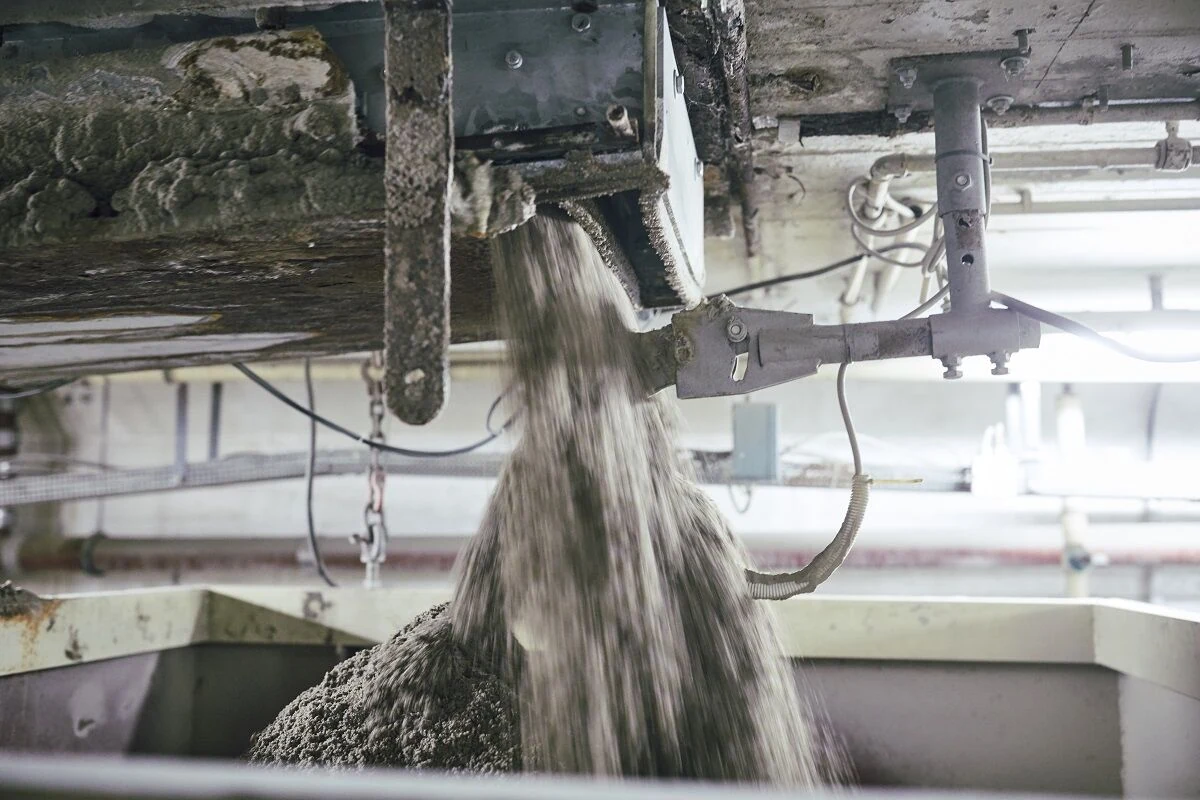
Dosing is the point where an aggregate moisture number stops being information and starts being a control action. The batching system weighs aggregate, works out how much of that weight is water, and adjusts the added water to hit the designed water-to-cement ratio.
If that calculation runs on an assumed moisture value, it is wrong by however much the real material has drifted. Sand typically carries between 2 and 6 percent moisture and moves the most of any input in the mix. One unaccounted percentage point on 1,800 lb of sand is roughly 17 lb of water per cubic yard entering the mix uncounted — about two gallons, in the direction that costs strength.
A fixed probe closes that loop. It measures continuously, feeds the batch controller directly, and corrects on every batch without anybody walking to a stockpile.
Why fixed beats periodic at this stage
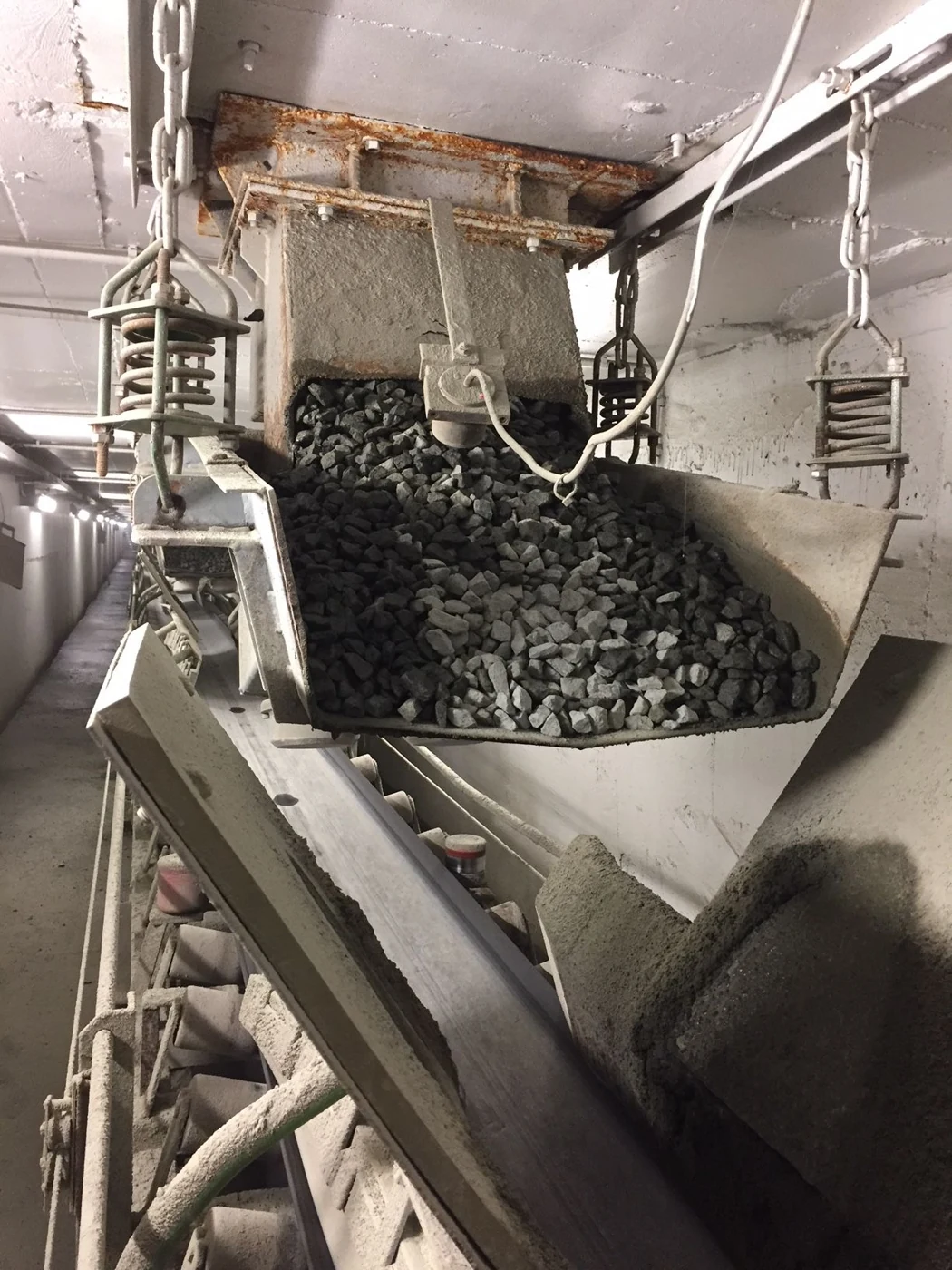
A portable reading and an inline reading answer different questions. The portable tells you what a pile was doing when you checked it. The inline tells you what the material entering the weigh hopper is doing right now, on this batch, without anyone deciding it was time to check.
That difference matters most on the batches nobody is watching — the third load of the afternoon, the one after a rain shower, the one drawn from a part of the pile that drains differently. Those are the batches that move a standard deviation, and they are exactly the ones a periodic check misses.
The instrument side of this is undramatic and that is the point. Electrical integration is identical to other measuring systems, power comes from system voltage, and the output is a standard analog or digital signal your controller already knows how to read.
- No change in measuring accuracy due to wear on the probe surface
- Wear and tear does not require recalibration
- Reliable on sand, gravel and crushed stone up to 32 mm, and aggregates such as expanded clay
- Calibrations for all standard aggregates pre-installed; customization possible
- Simple parameterization and calibration with optional accessories such as SONO VIEW
- Easy commissioning — integration matches any other transmitter on the plant
Where the probe goes
Under the silo flap
The most common installation on ready-mix plants. Moisture is measured as material leaves the silo, immediately before it reaches the weigh belt or mixer, so the reading describes the material actually being batched.
On the dosing belt
Mounted over the belt, measuring material continuously as it passes. Suited to higher-volume aggregate handling where you want a running value rather than a discharge reading.
At conveyor discharge
Positioned where material ejects from the belt. The falling stream continuously renews the material at the sensor face, which suits abrasive coarse aggregate.
In the hopper or bin
Installed through the wall, reading material at rest before the batching sequence begins. Used for non-adhesive materials — sticky material bridges against a wall probe.
Dosing instruments
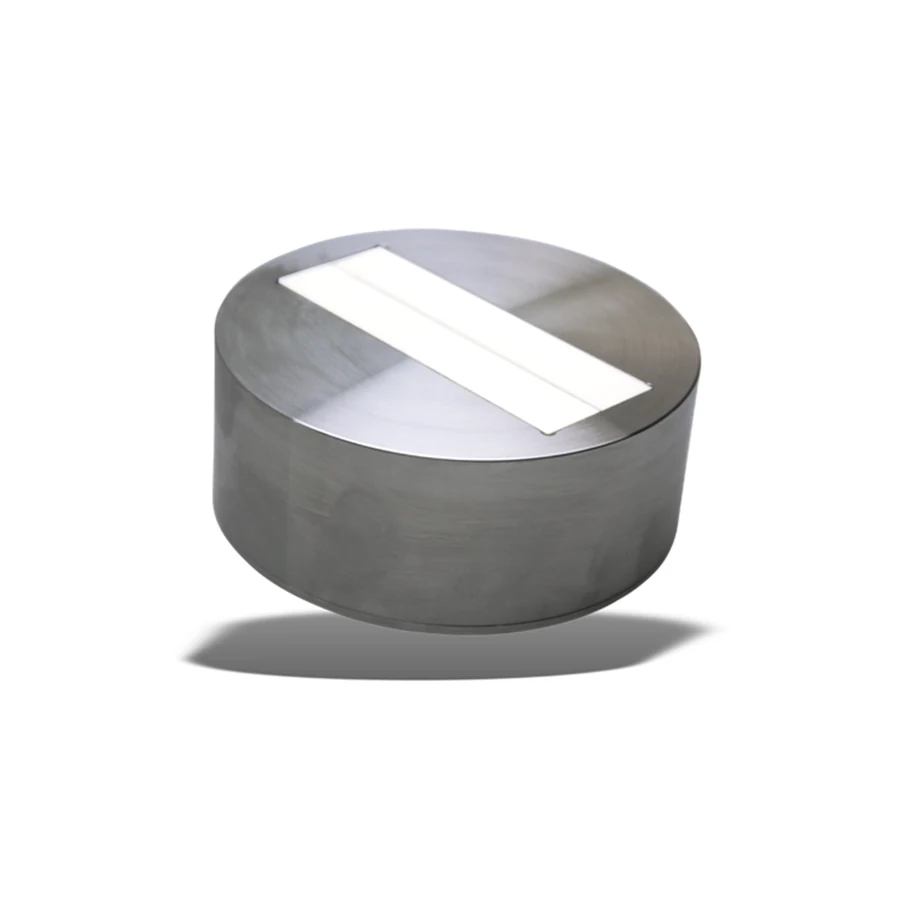
SONO VARIO Standard
Fixed inline probe for sand and gravel in normally abrasive service. Continuous moisture to the PLC.
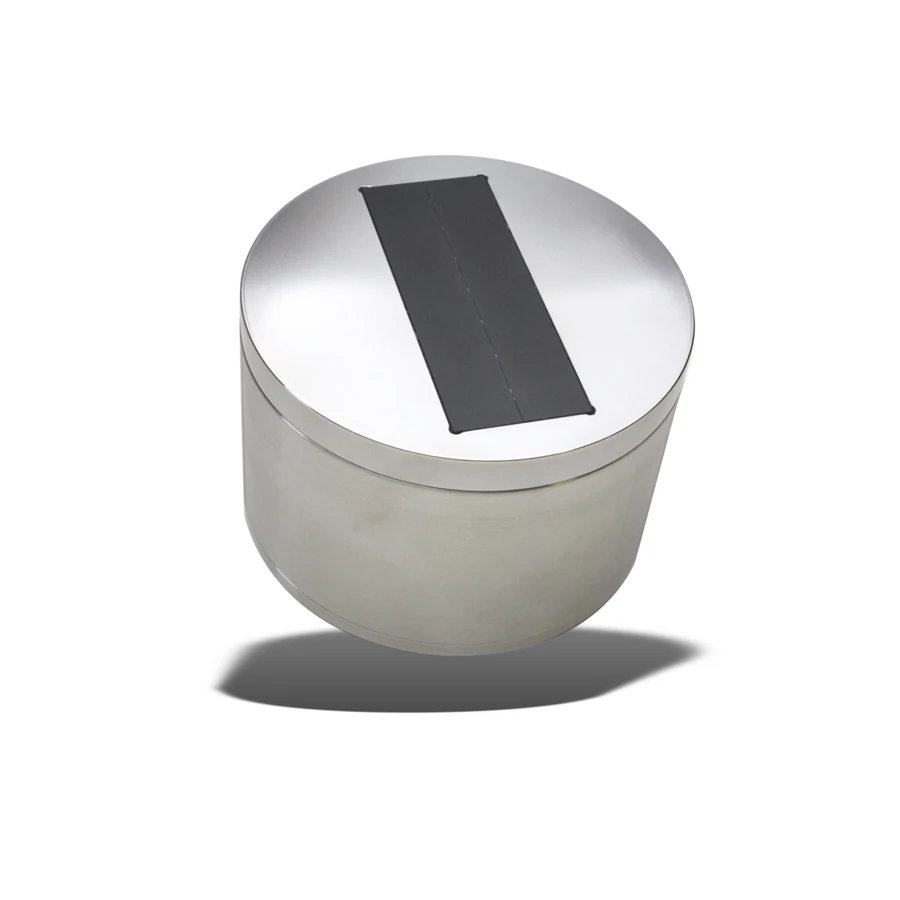
SONO VARIO Xtrem
Hardened-steel head for coarse gravel, crushed stone and RAP. The abrasive-service probe.
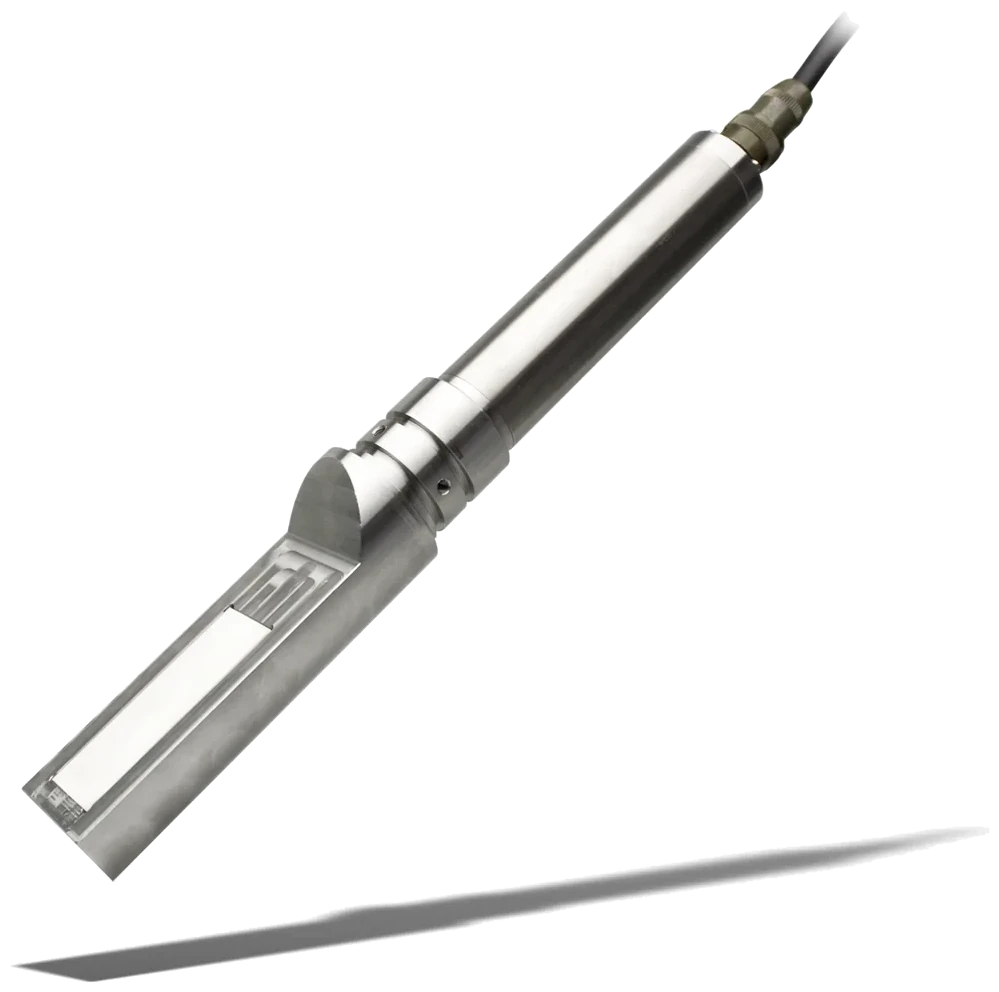
SONO SILO Standard
Rod-form probe for silo and bin wall installation in normally abrasive sand and gravel.
SONO SILO Xtrem
Hardened-steel rod probe for coarse gravel and crushed stone in silo or bin installation.
Choosing between round and rod
Form factor follows the mounting point and head material follows how abrasive the material is. SONO VARIO is the round sensor; SONO SILO is the rod version for silo and bin walls where a round body will not fit. Standard heads in stainless steel handle sand and gravel up to 8 mm grain size. Above that, or wherever the material is genuinely abrasive, the Xtrem versions carry a replaceable hardened-steel head with a special ceramic window — so the wear part is a consumable rather than the whole probe.
Dosing — frequently asked
How does an inline moisture sensor connect to my batching system?
Through a standard analog output at 0–20 mA, 4–20 mA or 0–10 V, or digitally over RS 485 or the IMP bus. Electrical integration is the same as any other measuring system on the plant and power comes from system voltage.
Can I connect more than one probe?
Yes. Probes can be networked to a single control system, which is the normal arrangement where a plant has several aggregate silos on the same line. Over long cable runs the IMP bus is the robust option and requires a display unit such as SONO VIEW, which visualizes up to 16 probes.
Do I have to recalibrate as the probe wears?
No. The measuring distance is unchanged by abrasion on the probe surface, so measurement quality and accuracy are not affected by wear, and wear does not require recalibration.
What particle size can an inline probe handle?
Standard heads cover sand and gravel up to 8 mm grain size. Xtrem heads handle coarse gravel and crushed stone up to 32 mm. Sand is generally taken as 0–4 mm and gravel and crushed stone as 4–32 mm.
Does changing sand supplier break the calibration?
TRIME TDR measurement is specified as not sensitive to variations in the grading curve, which is the usual failure mode when a supplier changes. Probes ship with 15 typical product calibrations and customization to your own material is possible if the new material is genuinely different.
Moisture changes at every stage
Sand arrives wet and variable. It gets dosed, mixed, and delivered. A reading at one point does not describe the others.
Not sure this is the right stage to measure?
Most plants start at one stage and add a second once they see the numbers. Tell us the problem you are chasing and we will say where to put the probe.
Houston, Texas · Most quotes answered within one business day